
A strategic approach to recruitment involves not only setting clear goals and objectives but also carefully analyzing the needs of the organization, identifying the right talent pools, and implementing innovative sourcing techniques. By taking a comprehensive view of the recruitment process, including candidate assessment, onboarding strategies, and retention efforts, organizations can ensure a smoother and more effective recruitment cycle.
This can lead to improved efficiency, higher satisfaction among hiring managers and candidates, and ultimately contribute to the overall success of the recruitment process.
What is a Recruitment Strategy
A recruitment strategy is a critical component of an organization’s success, as it shapes the way the company attracts and retains top talent. By developing a well-thought-out recruitment strategy, businesses can align their hiring processes with their overall business goals and objectives.
This can include establishing a strong employer brand, utilizing various recruitment channels, and implementing a thorough screening and selection process to identify the best candidates. Moreover, a comprehensive recruitment strategy not only addresses immediate staffing needs but also considers long-term talent acquisition and retention, ensuring a continuous pipeline of skilled professionals to support the organization’s growth and success.
Key Components of a Recruitment Strategy
A comprehensive recruitment strategy has key components that cover from employer branding, identifying recruitment channels and align recruitment with the organization’s short and long term goals.
| Key Component | Description |
|---|---|
| Goals and Objectives | Establish clear and measurable goals that align with the organization’s short-term and long-term goals. Understanding the organization’s goals helps recruitment understand the hiring needs and turnover rates. |
| Metrics and KPIs | Identifying and track key metrics and performance indicators to assess the efficiency of the recruitment process, quality of candidates, and time to close. |
| Employer Branding | Establishing a strong employer brand to attract top talent and maintain a positive reputation in the industry. |
| Recruitment Channels | Utilizing various recruitment channels such as job boards, social media, and professional networks to reach a diverse pool of candidates. |
| Screening and Selection | Implementing a thorough screening and selection process to identify the best candidates based on skills, experience, and cultural fit. |
| Long-term Talent Acquisition | Addressing long-term talent acquisition and retention needs to ensure a continuous pipeline of skilled professionals supporting the organization’s growth. |
| Technology and Tools | Implementing and using tools can help the recruitment team make data-driven decision through analytics. Improve efficiency and accuracy through automation with centralized cloud-based or on-premise tools. |
Creating SMART Goals for Recruitment
Setting recruitment goals helps the recruitment team keep track of their performance and efficiency through measurable metrics. These goals provide a clear framework for evaluating progress and identifying areas for improvement. Additionally, recruitment goals ensure that the team’s strategy is aligned with the organization’s current hiring needs, enabling them to effectively meet the demand for new talent in a timely manner.
What are a SMART Goals
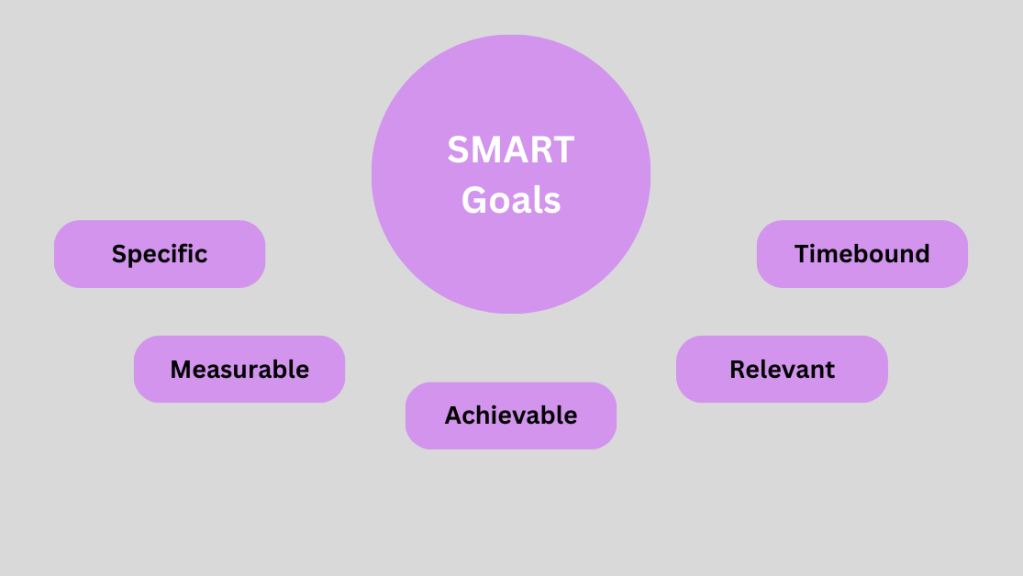
SMART Goals are goals that are Specific, Measurable, Achievable, Relevant and Time-bound. Using smart goals ensures that the objectives are clear, trackable, realistic, and aligned with business needs.
| Goal | Description |
| Time to Hire | Reduce time-to-hire of engineering roles from 45 days to 30 days within the 3rd quarter of this year. |
| Reduce Cost-per-Hire | Decrease the average cost-per-hire for open positions in the marketing department by 20% for the 2024 hiring period. |
| Increase New Hire Retention Rate | Increase the new hire rate from a baseline of 75% to 80% for the 2024 hiring period. |
Things to Consider When Building a Recruitment Strategy
- Open Positions: Understanding the specific open positions within your organization is crucial to building a recruitment strategy.
- Job Description: Clearly define the roles, responsibilities, and expectations for each postion.
- Prioritization: Determine which positions are most critical to fill based on business needs and strategic goals.
- Workforce Planning: Assess how these roles fit into the larger organizational structure and future growth plans.
- Skill-Gap Analysis: Conducting a skill-gap analysis is vital for identifying the skills and competencies your organization lack.
- Current Skill Inventory: Evaluate the existing skills within your organization to understand the strengths and weaknesses.
- Future Needs: Anticipate the skills required for upcoming projects or initiatives, ensuring alignment with business goals and objectives.
- Training and Development: Consider whether existing employees can be upskilled or if new hires are necessary to fill these gaps.
- Pay Range: Establishing a competitive pay range is essential for attracting top talent.
- Market Research: Analyze industry standards and salary benchmarks for similar roles withing your geographic area as well as the global range.
- Internal Equity: Ensure that your pay structure is fair and consistent across similar positions and talent with similar experience within your organization.
- Total Compensation Package: Consider not only base salary but also benefits, bonuses, and other perks that can enhance your offer.
- Potential Candidate Sources: Identifying where to find potential candidates is crucial for effective recruitment.
- Job Boards: Utilize popular job boards and niche platforms relevant to your industry.
- Social Media: Leverage platforms like LinkedIn, Facebook, and Twitter to reach a broader audience.
- Employee Referrals: Encourage current employees to refer candidates, as they can often recommend individuals who fit the company culture.
- Third-Party Solutions Provider: Consider partnering with agencies that specialize in your industry for access to a wider talent pool. These include businesses that provide recruitment process outsourcing services.
- Identify Recruitment Competitors: Understanding your competition in the talent market is vital for developing a successful recruitment strategy.
- Market Analysis: Research companies competing for the same talent pool, including their strengths and weaknesses.
- Employer Branding: Assess how your organization is perceived compared to competitors and identify areas for improvement.
- Differentiation: Highlight what makes your company unique, such as company culture, career development opportunities, or work-life balance, to attract candidates.
- Legal and Compliance Consideration: Ensuring compliance with legal and regulatory requirements is a critical aspect of the recruitment process.
- Equal Employment Opportunity (EEO): Adhere to laws prohibiting discrimination based on race, gender, age, disability, and other protected characteristics.
- Data Protection: Ensure compliance with data protection regulations, such as GDPR, when handling candidate information.
- Labor Laws: Familiarize yourself with local and national labor laws that affect hiring practices, including minimum wage, overtime, and employee rights.
How Global ZenTech can Help
Building a successful recruitment strategy involves careful planning and consideration of various factors. By aligning the strategy with business goals, defining a strong employer brand, and focusing on the candidate experience, organizations can attract and retain top talent.
We help businesses leverage the right recruitment channels, streamline their processes, and implement data-driven strategies to optimize their hiring outcomes. Partner with us to create a tailored recruitment strategy that not only meets your immediate needs but also supports your long-term growth. Contact us today to take the first step towards building a stronger, more capable workforce.”



 Global ZenTech